Peptide purity percentage is the proportion of a sample that is the intended target peptide, with the rest being minor impurities. It is usually measured by HPLC and reported as an area percentage on the certificate of analysis.
What the percentage measures
When a peptide is analyzed by HPLC, the sample is separated into its components. The target peptide shows up as the main peak, and its share of the total is reported as the purity percentage. So 99.4% purity means 99.4% of the measured material is the peptide you ordered.
What the rest is
The remaining fraction is usually made up of small amounts of shorter or slightly different peptide fragments left over from synthesis, along with residual water or salts. Purification is the step that drives these down.
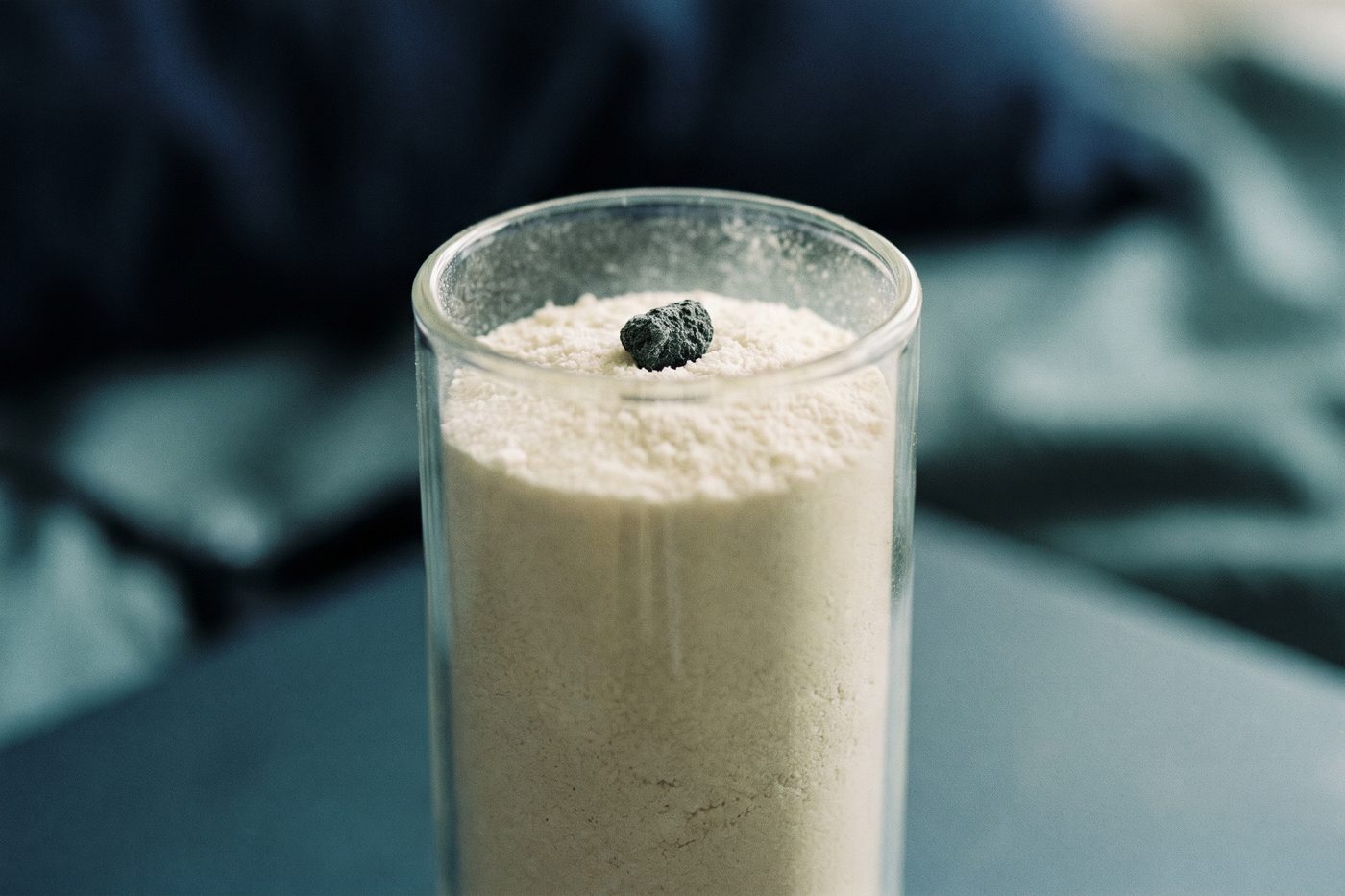
Why higher matters
For research, consistency is everything. Higher purity means fewer variables and more reliable, repeatable results, which is why reputable research peptides target 99%+ and document it. It is also why verifying purity on the COA is worth the two minutes.
Key takeaways
- Purity percentage is the share of a sample that is the target peptide.
- It is usually measured by HPLC as an area percentage.
- Impurities are typically leftover fragments, water, or salts.
- Higher purity means more consistent, reliable research results.
A note on research use
The peptides supplied by Axis Peptide Labs are reference compounds for laboratory and research use only. They are intended for qualified researchers working in academic, institutional, and analytical settings. They are not drugs, foods, cosmetics, or medical products, and they are not intended for human or veterinary consumption. Documented identity and documented purity are what matter most when sourcing a compound, both of which are published on the Axis certificates of analysis page.