A peptide's half-life is the time it takes for half of it to break down or be cleared. A short half-life means the peptide turns over quickly; a long one means it persists. Structural modifications are often used to extend a peptide's half-life.
What half-life measures
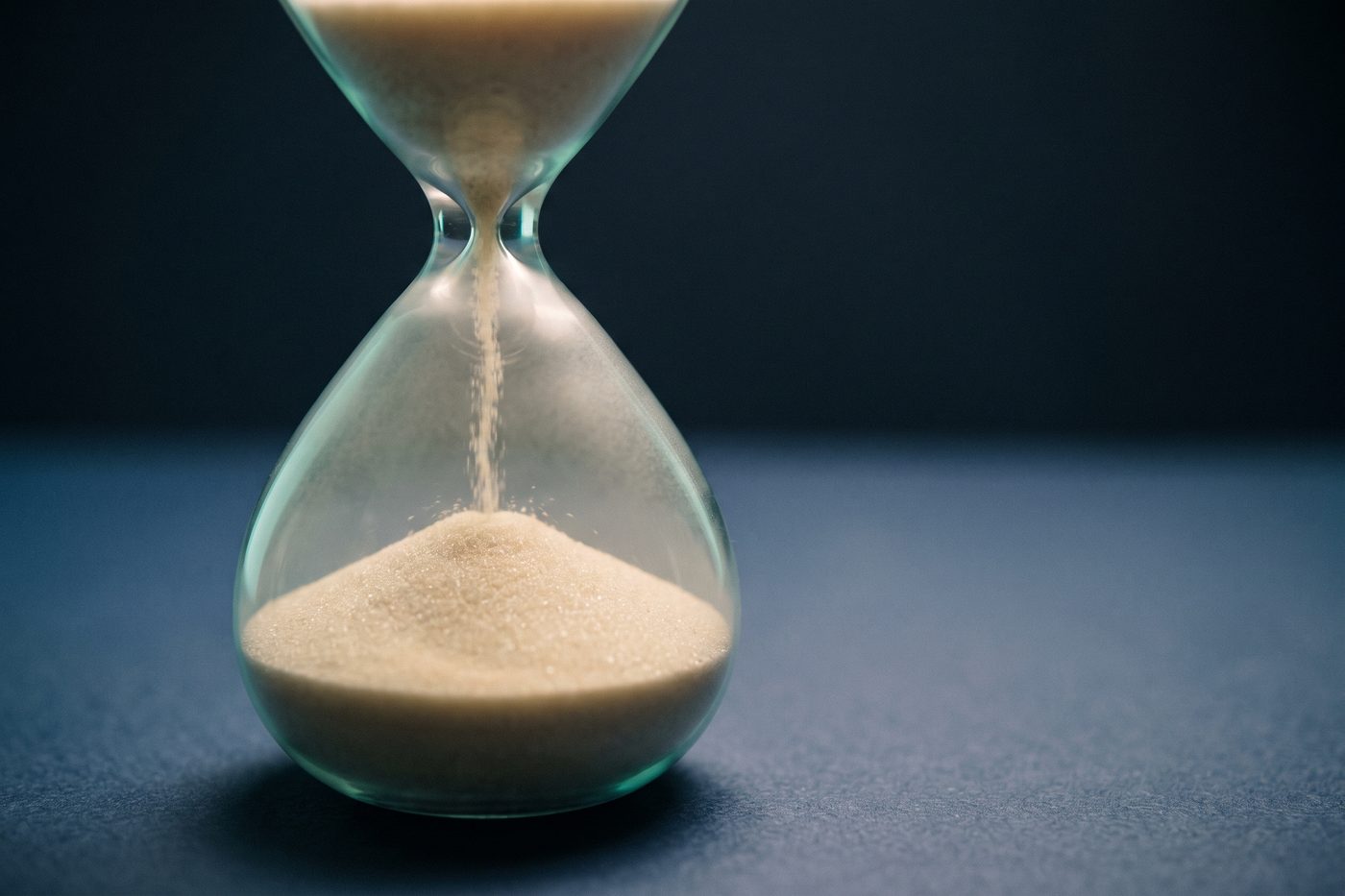
If you start with a certain amount of a peptide, its half-life is how long until half of that amount is gone. After one half-life, half remains; after two, a quarter; and so on. It is a standard way to describe how long a molecule lasts.
Why it matters
Half-life shapes how a peptide behaves in research. It is also why some compounds are engineered to be longer-acting: modifications like those in CJC-1295 or peptide analogs are designed to extend half-life compared with the natural molecule.
Half-life vs. shelf life
Half-life is not the same as shelf life. Half-life describes turnover in a biological or experimental setting, while shelf life describes how long the stored compound stays stable in the vial.
Key takeaways
- Half-life is the time for half of a peptide to break down or clear.
- Short half-life means fast turnover; long means it persists.
- Modifications can extend a peptide's half-life.
- Half-life is different from shelf life in the vial.
A note on research use
The peptides supplied by Axis Peptide Labs are reference compounds for laboratory and research use only. They are intended for qualified researchers working in academic, institutional, and analytical settings. They are not drugs, foods, cosmetics, or medical products, and they are not intended for human or veterinary consumption. Documented identity and documented purity are what matter most when sourcing a compound, both of which are published on the Axis certificates of analysis page.