Yes, peptides can degrade over time, especially when exposed to heat, light, moisture, or repeated freeze-thaw cycles. Good storage slows this dramatically, but no peptide lasts forever, particularly once in solution.
What causes degradation
- Heat: warmth speeds chemical breakdown.
- Light: direct light can degrade sensitive peptides.
- Moisture: water is a driver of degradation, which is why peptides are lyophilized.
- Freeze-thaw cycles: repeatedly freezing and thawing stresses the molecule.
- Contamination: bacteria can spoil a solution, which bacteriostatic water helps prevent.
The warning signs
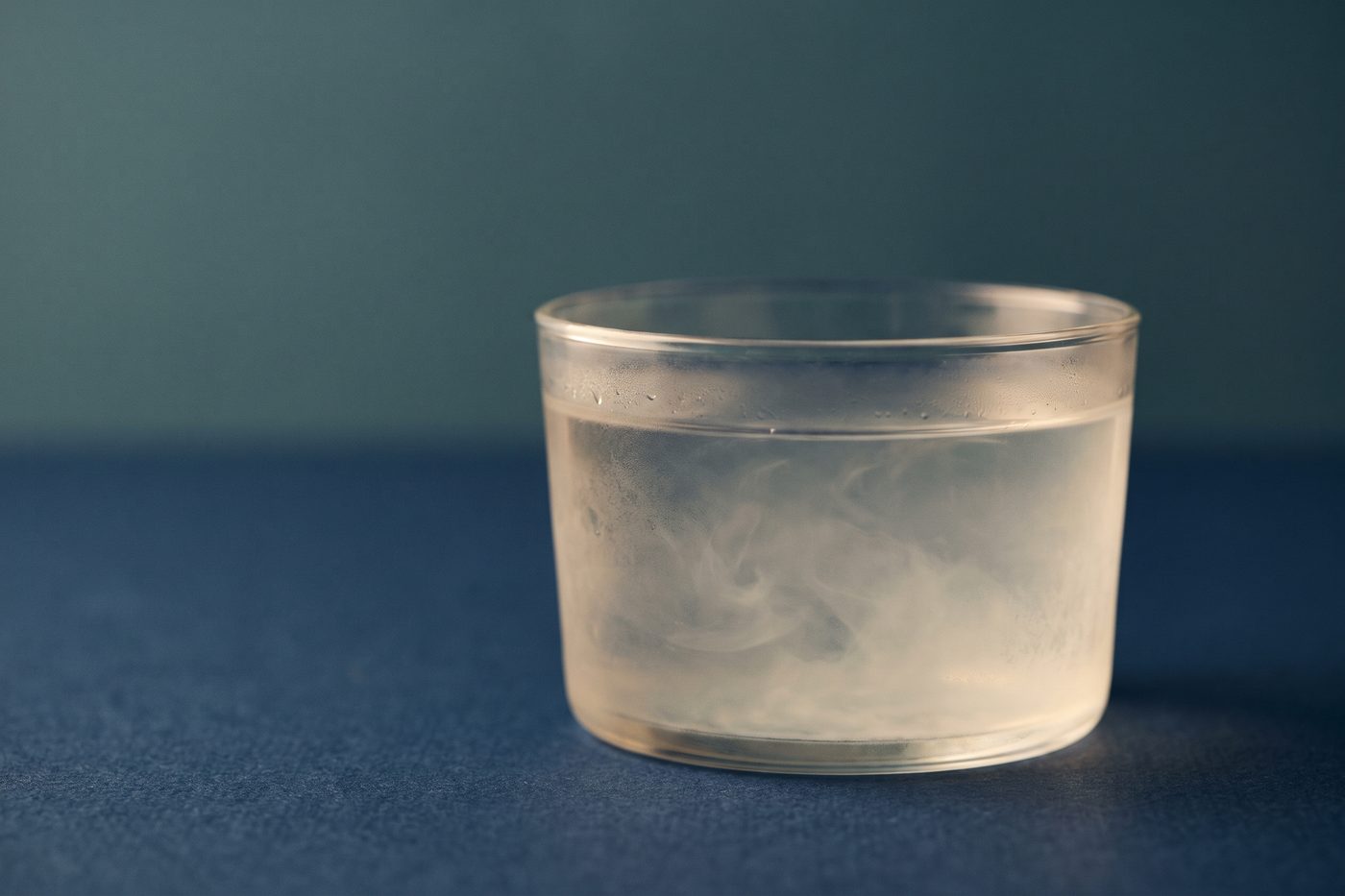
In a reconstituted solution, watch for cloudiness, discoloration, or visible particles where it was once clear. Any of these means the solution should be discarded rather than used.
Key takeaways
- Peptides can degrade, especially with heat, light, moisture, or freeze-thaw.
- Cloudiness, color change, or particles signal a bad solution.
- Dry, cold, dark storage slows degradation dramatically.
- Bacteriostatic water and refrigeration protect reconstituted peptides.
A note on research use
The peptides supplied by Axis Peptide Labs are reference compounds for laboratory and research use only. They are intended for qualified researchers working in academic, institutional, and analytical settings. They are not drugs, foods, cosmetics, or medical products, and they are not intended for human or veterinary consumption. Documented identity and documented purity are what matter most when sourcing a compound, both of which are published on the Axis certificates of analysis page.