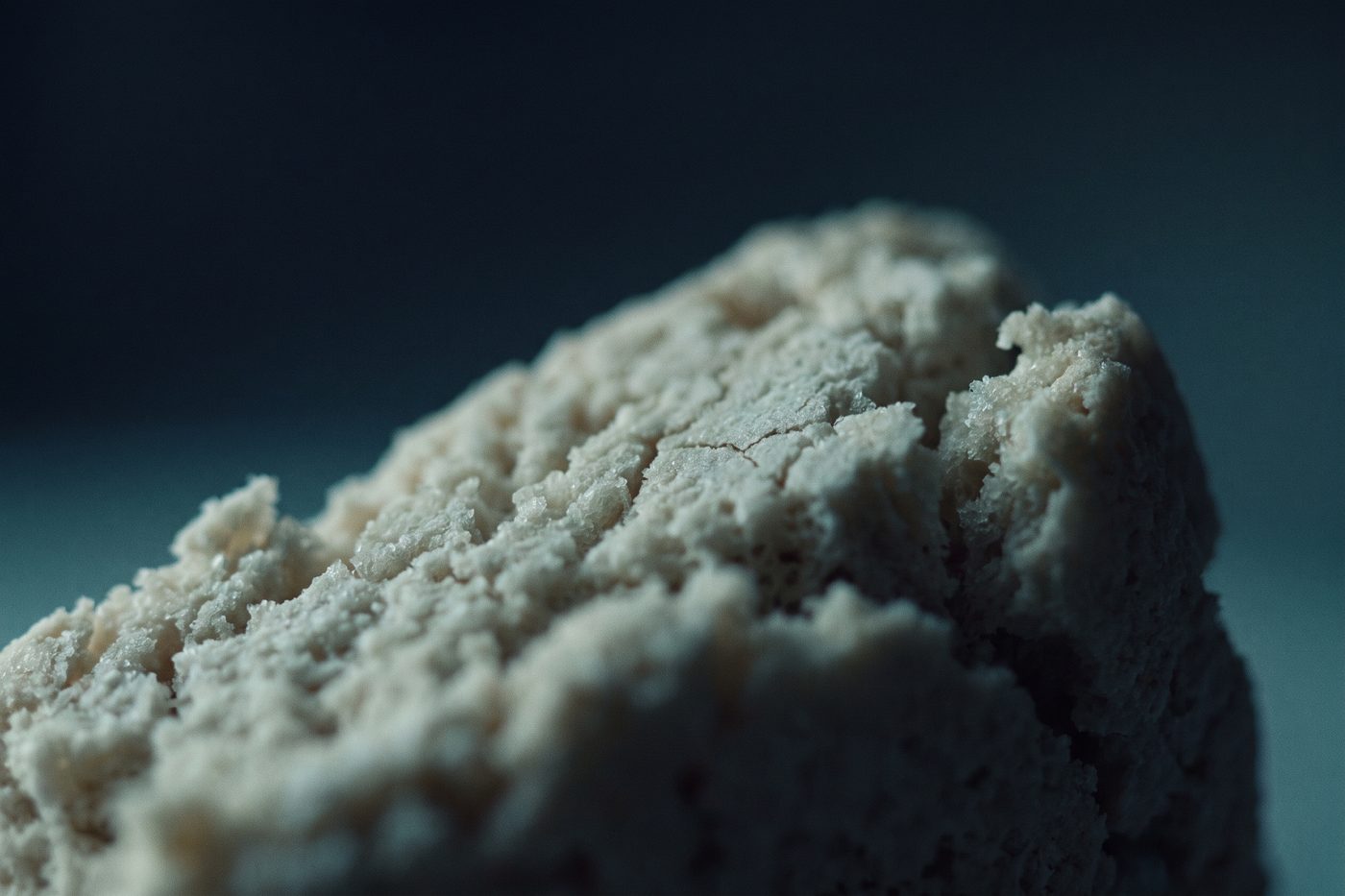
A lyophilized peptide is one that has been freeze-dried into a stable dry powder. Removing the water dramatically extends shelf life, which is why peptides ship as a powder and are reconstituted before use.
How lyophilization works
Lyophilization, or freeze-drying, is a two-part process: the material is frozen, then the ice is removed under vacuum without passing through a liquid stage. What is left is a dry, stable solid that contains almost no water.
Why it matters
Water is one of the main drivers of peptide degradation. Take it away and the peptide becomes far more stable, both for long-term storage and for safe shipping at room temperature. That stability is exactly why the research market supplies peptides in lyophilized form.
Key takeaways
- Lyophilized means freeze-dried into a stable dry powder.
- Freezing then vacuum-removing the ice leaves almost no water.
- Removing water dramatically extends shelf life and eases shipping.
- A lyophilized peptide is reconstituted before use.
A note on research use
The peptides supplied by Axis Peptide Labs are reference compounds for laboratory and research use only. They are intended for qualified researchers working in academic, institutional, and analytical settings. They are not drugs, foods, cosmetics, or medical products, and they are not intended for human or veterinary consumption. Documented identity and documented purity are what matter most when sourcing a compound, both of which are published on the Axis certificates of analysis page.