To reconstitute a lyophilized peptide, add a measured volume of Bacteriostatic water slowly down the inside wall of the vial, swirl gently without shaking, and let the powder fully dissolve.
The general procedure
- Calculate the volume of diluent needed for the target concentration.
- Prepare both vials, wiping the stoppers of the peptide vial and the bacteriostatic water.
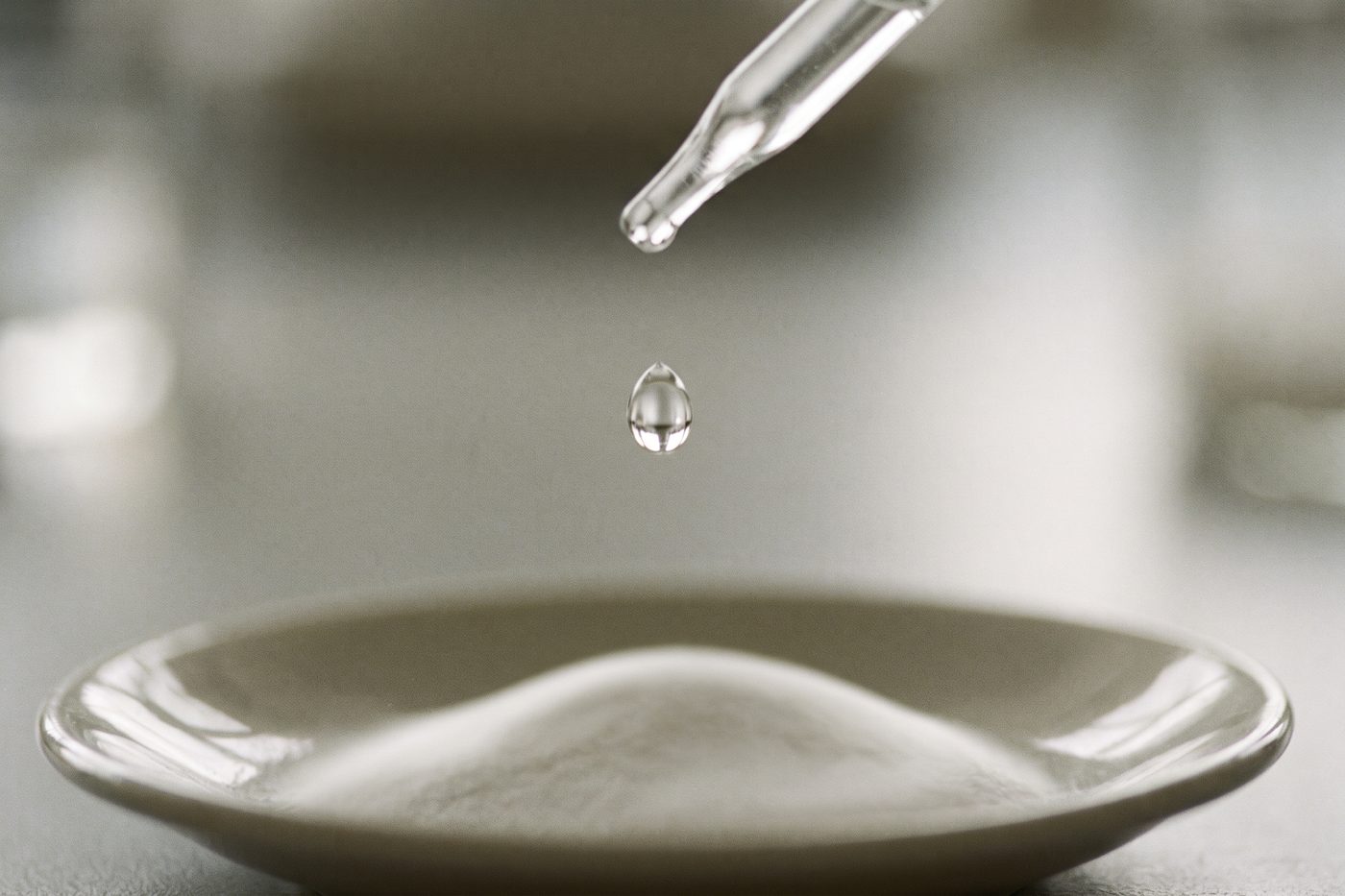
- Add the water slowly, letting it run down the inside wall of the vial rather than onto the powder directly.
- Swirl gently. Do not shake; let the powder dissolve on its own.
- Wait until clear. A fully reconstituted solution is typically clear with no visible particles.
Handling notes
Add the water gently to avoid foaming, keep everything clean to limit contamination, and once reconstituted, store the solution correctly. The exact volume to add is a math question, and a concentration calculation makes it simple.
Key takeaways
- Reconstitution means dissolving the dry peptide in bacteriostatic water.
- Add water slowly down the vial wall, not directly onto the powder.
- Swirl gently; never shake.
- Let it fully dissolve to a clear solution, then store properly.
A note on research use
The peptides supplied by Axis Peptide Labs are reference compounds for laboratory and research use only. They are intended for qualified researchers working in academic, institutional, and analytical settings. They are not drugs, foods, cosmetics, or medical products, and they are not intended for human or veterinary consumption. Documented identity and documented purity are what matter most when sourcing a compound, both of which are published on the Axis certificates of analysis page.