mg (milligram) and mcg (microgram) are both units of mass, and the relationship is simple: 1 mg equals 1,000 mcg. Peptide vials are usually labeled in mg, while smaller research amounts are often expressed in mcg.
The relationship
A microgram is one-thousandth of a milligram. So 1 mg = 1,000 mcg, 0.5 mg = 500 mcg, and 0.25 mg = 250 mcg. Keeping the factor of 1,000 straight is the whole game, because confusing the two means being off by a thousandfold.
Why both units appear
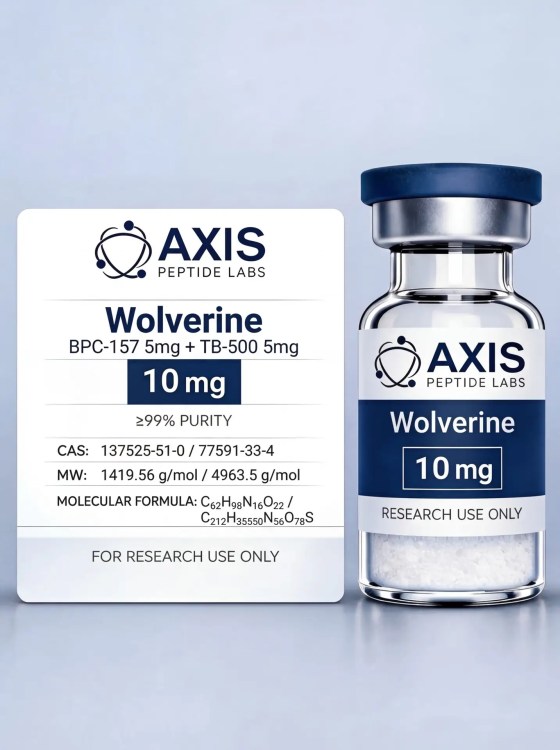
A vial's total is usually given in milligrams, since that is the convenient scale for the whole amount. Smaller research amounts drawn from it are often more naturally expressed in micrograms. Both describe the same kind of thing, just at different scales.
Use the reconstitution calculator
Enter vial strength and water volume to get concentration, draw units, and doses per vial.
Getting it right
When converting between a vial's mg, a concentration, and a draw amount, working carefully with units avoids errors. The calculator keeps the math consistent so a factor of 1,000 never slips.
Key takeaways
- mg and mcg are both units of mass.
- 1 mg equals 1,000 mcg.
- Vials are usually labeled in mg; smaller amounts in mcg.
- Confusing them means a thousandfold error, so keep units straight.
A note on research use
The peptides supplied by Axis Peptide Labs are reference compounds for laboratory and research use only. They are intended for qualified researchers working in academic, institutional, and analytical settings. They are not drugs, foods, cosmetics, or medical products, and they are not intended for human or veterinary consumption. Documented identity and documented purity are what matter most when sourcing a compound, both of which are published on the Axis certificates of analysis page.