Bioavailability is the fraction of a compound that reaches its target intact. Peptides often have low oral bioavailability, because the digestive system breaks down chains of amino acids, which is one reason they are studied in the forms they are.
What bioavailability measures
If you introduce a compound into a system, bioavailability is how much of it actually arrives at the target still intact, rather than being broken down or cleared first. A higher bioavailability means more of the compound reaches where it acts.
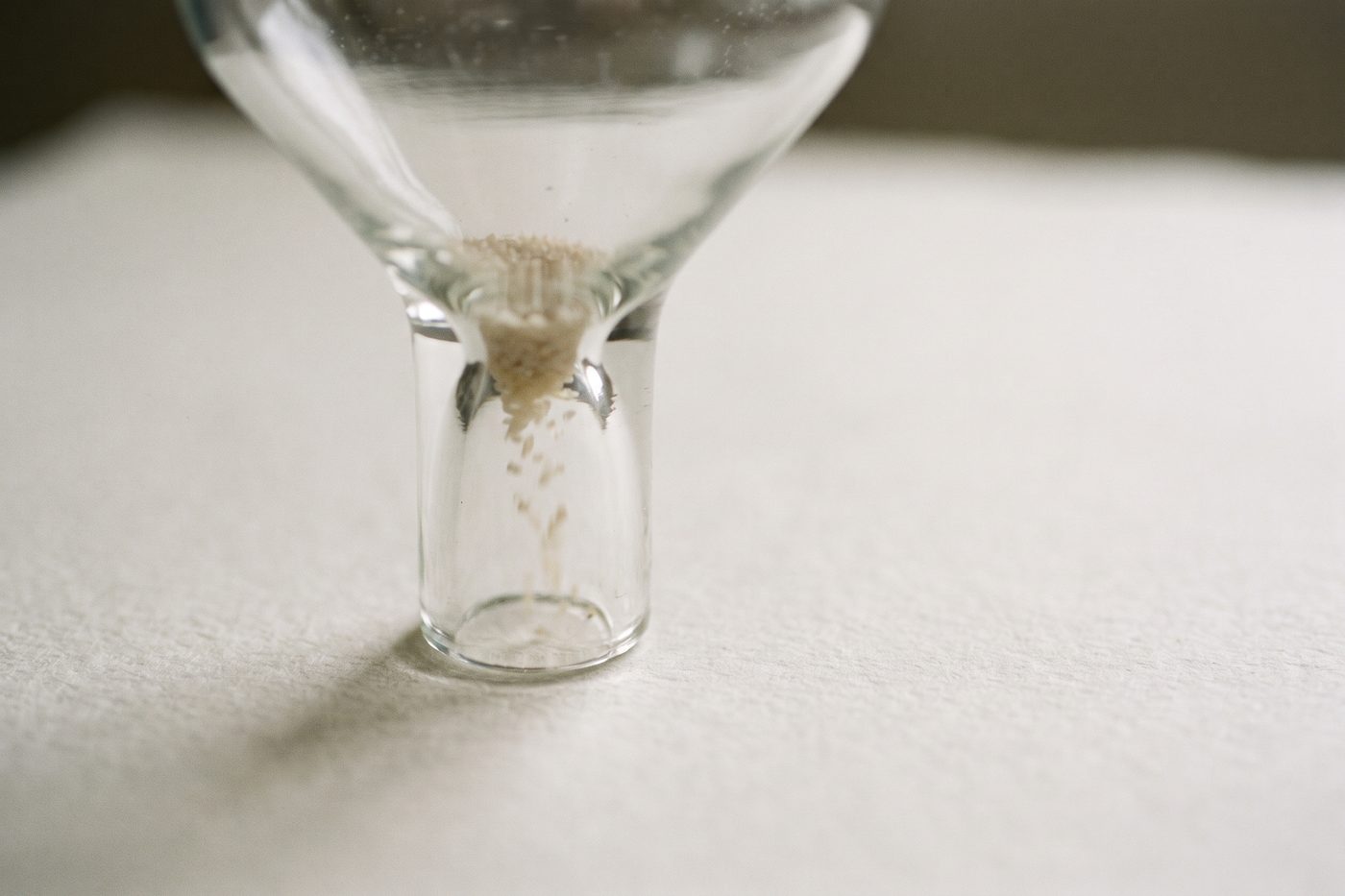
Why peptides are a special case
Because peptides are chains of amino acids, the same machinery that digests dietary protein can break them down. That is why many peptides have low oral bioavailability, a well-known property that shapes how they are handled in research.
A related idea: half-life
Bioavailability is about how much reaches the target; half-life is about how long it lasts once there. Together they describe much of how a peptide behaves over time.
Key takeaways
- Bioavailability is the fraction of a compound that reaches its target intact.
- Peptides often have low oral bioavailability.
- Digestion breaks down chains of amino acids.
- Bioavailability and half-life together describe a peptide's behavior.
A note on research use
The peptides supplied by Axis Peptide Labs are reference compounds for laboratory and research use only. They are intended for qualified researchers working in academic, institutional, and analytical settings. They are not drugs, foods, cosmetics, or medical products, and they are not intended for human or veterinary consumption. Documented identity and documented purity are what matter most when sourcing a compound, both of which are published on the Axis certificates of analysis page.