A peptide vial is a small sealed glass container holding lyophilized peptide, closed with a rubber stopper and a metal crimp. The design lets a peptide be reconstituted through the stopper without opening the vial fully.
The parts of a vial
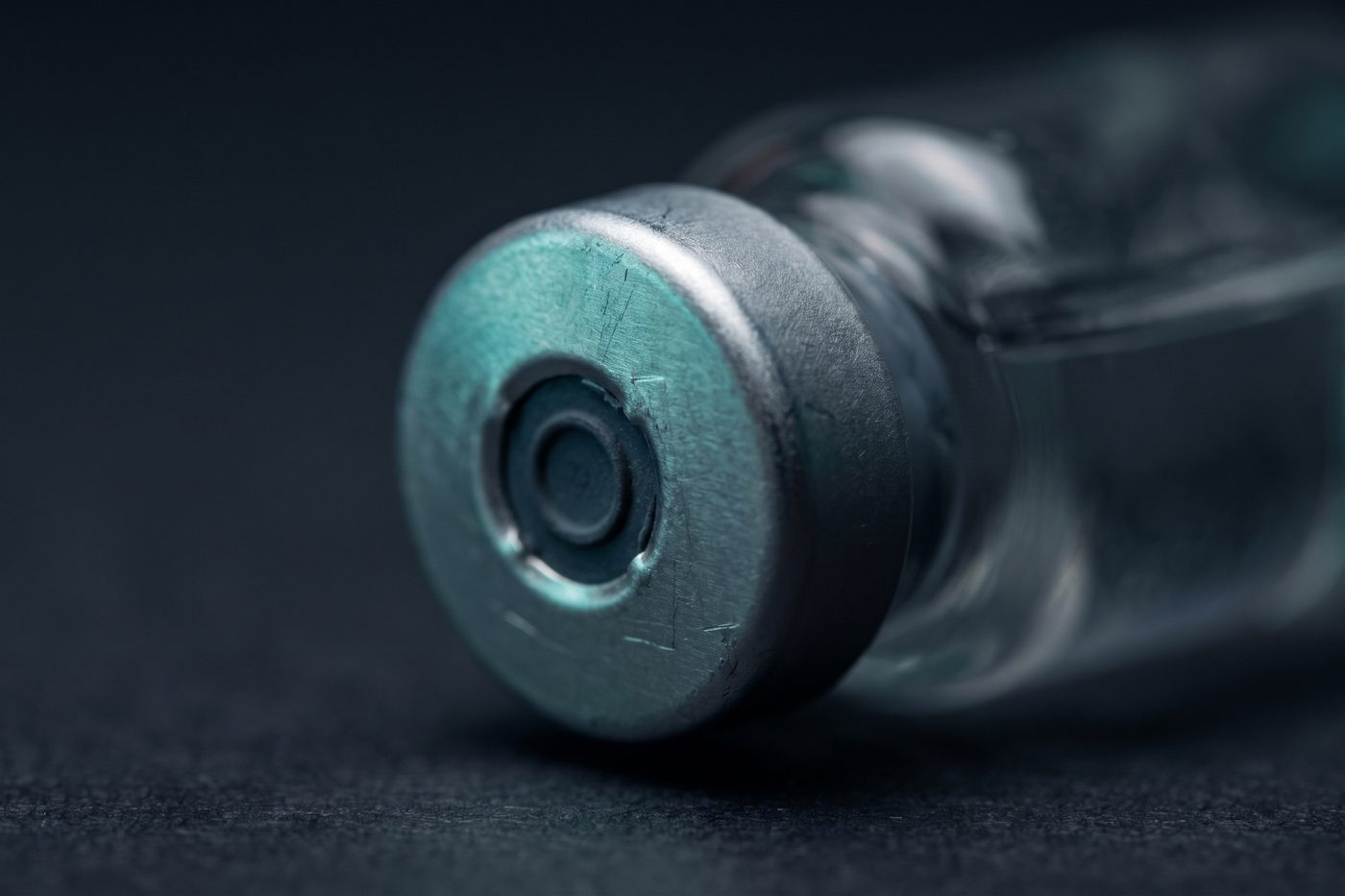
A typical peptide vial has three parts: the glass body that holds the dry peptide, a rubber stopper that seals it, and a metal crimp that holds the stopper in place. Diluent is added through the stopper, keeping the contents sealed from the air.
Why it is built this way
The sealed design protects the peptide from moisture and contamination, which is essential given that water and contamination degrade peptides. It also allows the same vial to be accessed more than once when a reconstituted solution is used over time.
Handling the vial
Wipe the stopper with alcohol before each use to avoid contamination, and store the vial as directed, cold and dark for lyophilized peptide.
Key takeaways
- A peptide vial is a sealed glass container of lyophilized peptide.
- It has a glass body, a rubber stopper, and a metal crimp.
- The sealed design protects against moisture and contamination.
- It is accessed through the stopper, so it stays sealed.
A note on research use
The peptides supplied by Axis Peptide Labs are reference compounds for laboratory and research use only. They are intended for qualified researchers working in academic, institutional, and analytical settings. They are not drugs, foods, cosmetics, or medical products, and they are not intended for human or veterinary consumption. Documented identity and documented purity are what matter most when sourcing a compound, both of which are published on the Axis certificates of analysis page.