Research peptides are produced in specialized synthesis laboratories, most often by solid-phase peptide synthesis. After synthesis they are purified and tested before being supplied. Sourcing and quality vary widely, which is why documentation matters.
How they are produced
The short sequences common in the research market are built chemically, one amino acid at a time, then purified and verified. The process is well established, but the execution, how carefully a peptide is purified and how thoroughly it is tested, is where suppliers diverge.
Why quality varies
Two vials labeled the same way can differ in purity and identity depending on who made them and how they were tested. That is why the same compound can range widely in price and quality, and why a certificate of analysis is the only reliable proof.
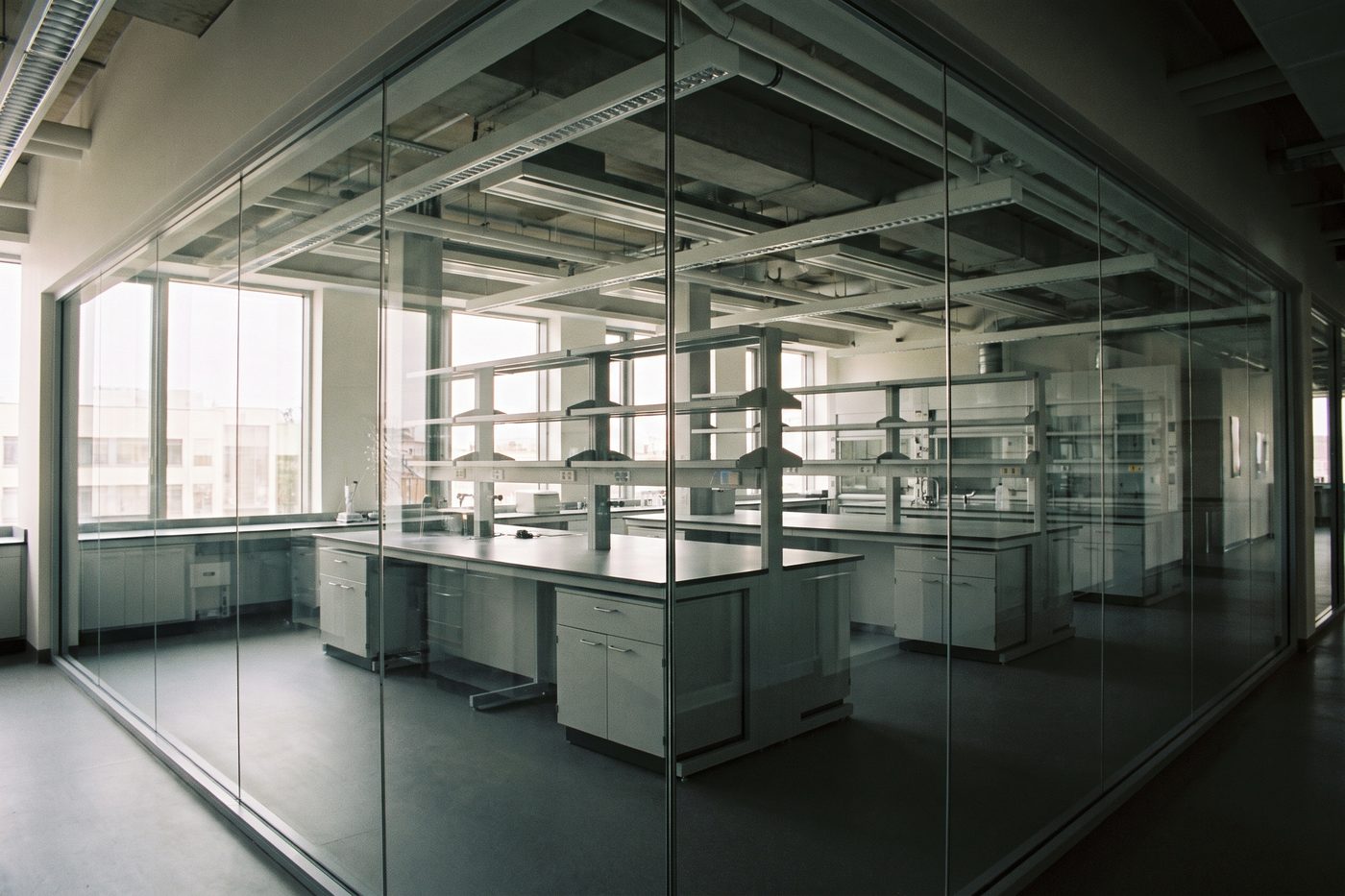
Sourcing you can verify
Axis Peptide Labs publishes the measured purity for every lot and publishes certificates of analysis, so the origin is not a mystery you have to take on faith. That is the standard worth holding any source to.
Key takeaways
- Research peptides are made in synthesis labs, usually by SPPS.
- They are purified and tested before being supplied.
- Quality and sourcing vary widely between suppliers.
- A third-party COA is the reliable proof of how well a peptide was made.
A note on research use
The peptides supplied by Axis Peptide Labs are reference compounds for laboratory and research use only. They are intended for qualified researchers working in academic, institutional, and analytical settings. They are not drugs, foods, cosmetics, or medical products, and they are not intended for human or veterinary consumption. Documented identity and documented purity are what matter most when sourcing a compound, both of which are published on the Axis certificates of analysis page.