Peptide solubility is how readily a peptide dissolves in a given liquid. It depends largely on the peptide's sequence, and it determines which diluent is best when you reconstitute it.
What affects solubility
A peptide's amino acids give it an overall character that can be more water-loving or more water-repelling. Sequences rich in charged amino acids tend to dissolve readily in water, while more hydrophobic sequences can be harder to dissolve and may need a different approach.
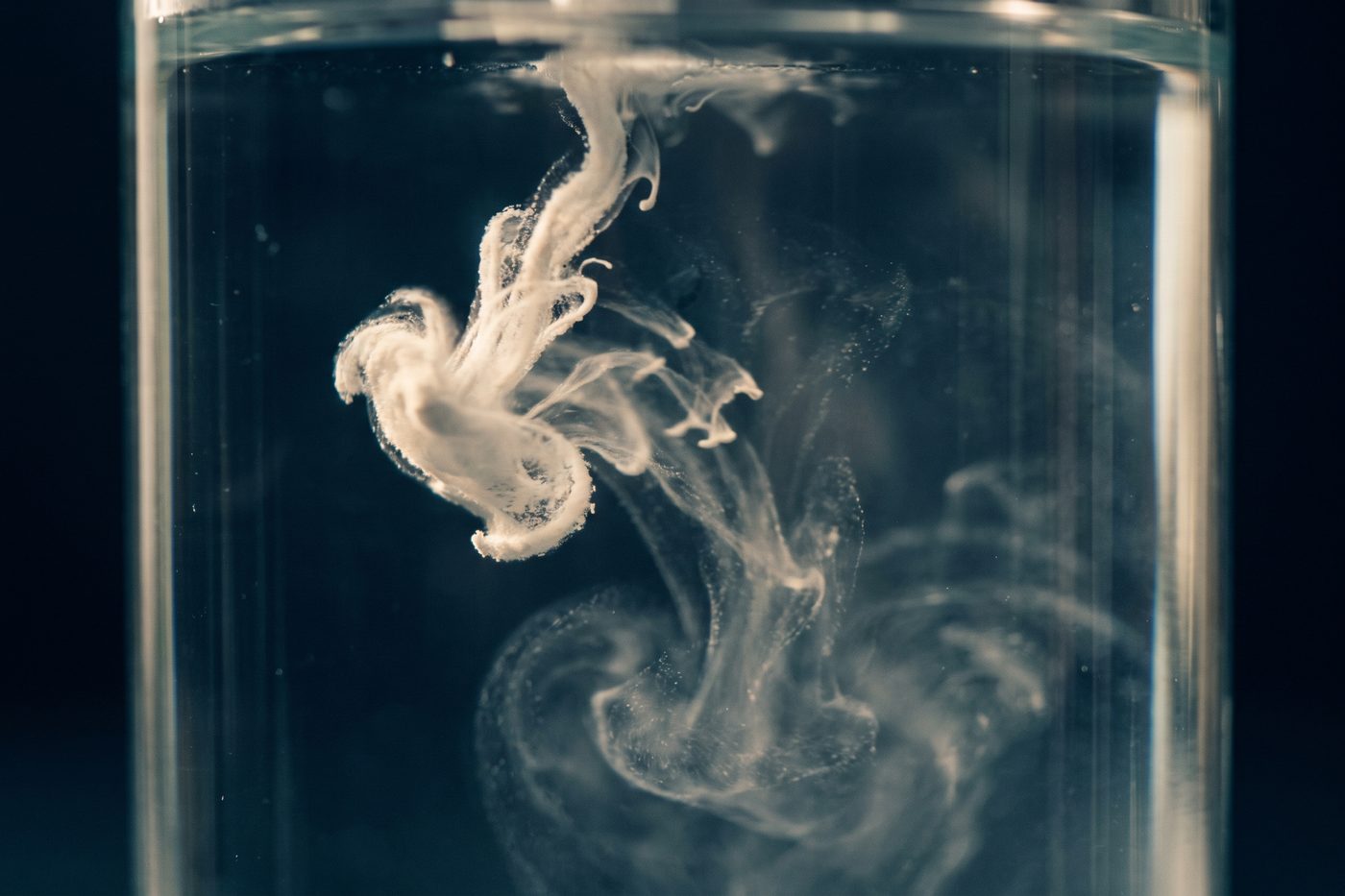
Why it guides diluent choice
For most research peptides, Bacteriostatic water is the standard diluent. Harder-to-dissolve peptides sometimes call for a specific solvent. Adding the diluent gently and swirling rather than shaking helps a peptide go fully into solution.
Signs of a solubility issue
If a peptide will not fully dissolve, or the solution stays cloudy, that can indicate a solubility issue or, in a previously clear solution, degradation. A properly dissolved peptide is typically clear.
Key takeaways
- Solubility is how readily a peptide dissolves.
- It depends largely on the amino acid sequence.
- It guides which diluent to use for reconstitution.
- A properly dissolved peptide is typically clear.
A note on research use
The peptides supplied by Axis Peptide Labs are reference compounds for laboratory and research use only. They are intended for qualified researchers working in academic, institutional, and analytical settings. They are not drugs, foods, cosmetics, or medical products, and they are not intended for human or veterinary consumption. Documented identity and documented purity are what matter most when sourcing a compound, both of which are published on the Axis certificates of analysis page.